
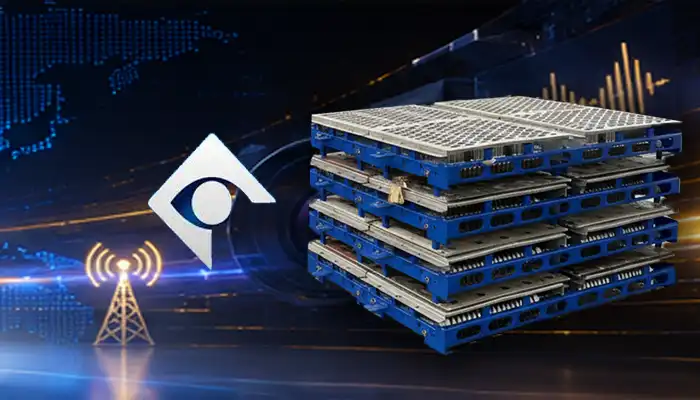
Broadcasting a news report prepared on some knowledge-based products of Borna Electronics Company
Resistance braking resistors are used to absorb the energy generated by an electric motor when it enters generator mode and to dissipate the torque of its shaft. In general, there are three main methods for braking electric motors:
Injecting DC current and creating magnetic conditions similar to a locked-rotor state.
Applying reverse current and creating reverse rotation of the magnetic field.
Transferring the motor into generator mode and connecting a resistor to dissipate the generated electrical energy.
The third method provides better control over braking requirements while imposing less stress on the shaft, axle, and mechanical components of the electric motor. This method is commonly known in industry as Dynamic Braking, and the resistor used to absorb the motor’s regenerated electrical energy is called a DBR (Dynamic Braking Resistor).
In the past, this method was only used for motors capable of operating in generator mode. However, with the widespread use of motor drives for speed and motion control, installing a DBR on the drive’s DC Link has made this braking method applicable to most types of electric motors.